



The humble hot water system has been a staple in Queensland homes for over 80 years. Since then, there has been the introduction of new and improved systems. When it comes to choosing a hot water system, some of the most common questions homeowners ask is should they go with gas or electric? Or, which is actually cheaper to run?
The answer is not so straightforward. The right system depends on several factors, including energy prices, system type, household size, and how and when you use hot water.
In this guide, we’ll break it all down the pros and cons of both to help you decide which option is best for your home.
Understanding the Basics
Before we compare the running costs, it’s important to understand how each system works.
Gas hot water systems
Gas hot water systems use natural gas or LPG to heat water and are available in both storage tank and continuous or instantaneous flow models. Storage tank systems store the hot water and reheat the tank when needed.
Continuous or instantaneous flow systems heat water when the tap is on. This means they tend to use more gas while heating, but less than a tank system as it only uses gas when it’s needed. However, both systems heat water quickly and can continue operating during power outages, making them a popular option in many households.
As natural gas is typically cheaper than electricity per unit, these systems can be a more cost-effective choice for larger families or homes with higher hot water usage.
Electric hot water systems
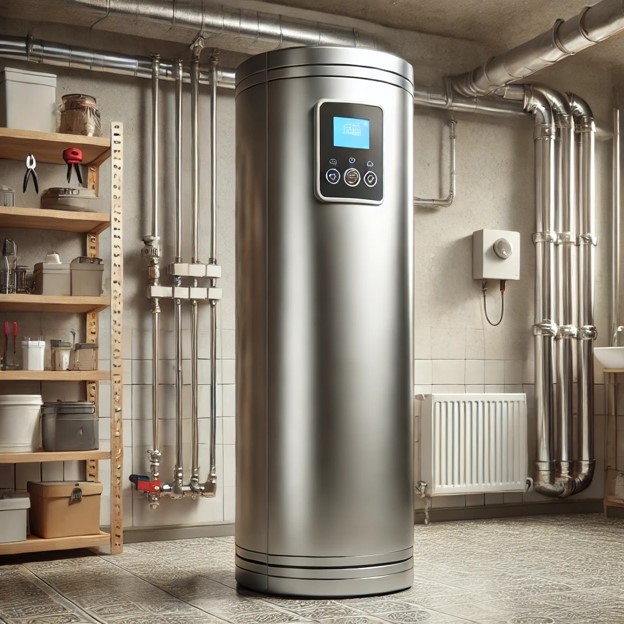
Electric hot water systems use a heating element to warm the water, similar to a kettle, and are available in both storage tank and instantaneous models. While they are generally cheaper to install and simpler to set up, they can use more energy over time.
This may lead to higher electricity bills, especially if you’re using standard peak tariffs rather than off-peak options.
Running Costs: The Key Differences
When comparing running costs, the price of energy is the biggest factor when choosing the right hot water system. In many parts of Australia, gas has historically been cheaper per unit of energy than electricity, which often makes gas systems less expensive to run in day-to-day use. In fact, gas hot water can be around 30–40% cheaper to run than standard electric storage systems on peak electricity tariffs.
However, that’s not the full picture. Electricity prices can vary significantly depending on your tariff. If you’re using off-peak electricity, electric systems become much more competitive. Off-peak rates can be around 40–60% cheaper than standard tariffs, reducing the cost gap between gas and electric systems.
More importantly, if your home has solar panels, electric hot water can become extremely cheap to run. In some cases, almost close to free once installation costs are recovered.
Typical Running Cost Comparison in Queensland
To give a clearer picture for households, it helps to compare how different hot water systems typically perform in terms of running costs under local conditions and energy pricing:
- Heat pump electric systems: Generally the lowest running costs, particularly well-suited to Queensland’s warm climate.
- Gas instantaneous systems: Very efficient and relatively economical, especially for higher usage households.
- Gas storage systems: Moderate running costs.
- Electric storage (off-peak tariff): Can be quite competitive with gas when using controlled load tariffs.
- Electric storage (peak tariff): Usually the most expensive to run.
For a typical Queensland household, the pattern is fairly consistent:
- Electric storage systems on peak tariffs tend to have the highest annual running costs.
- Gas systems—particularly instantaneous models—are often cheaper than standard electric options.
- Heat pump systems can be among the most cost-effective to operate, especially given Queensland’s consistently warm temperatures, which improve their efficiency.
Suburbs like Bundaberg, Hervey Bay and Gympie have a high uptake of solar power. Households with rooftop solar may also find electric systems significantly cheaper to run during the day. This shifts the balance in favour of electric options for some homeowners.
Why Gas Can Be Cheaper
Gas systems can often be cheaper on running costs for a few key reasons:
1. Lower energy cost per unit
Natural gas is generally cheaper per unit than electricity, which helps lower the ongoing operating costs of a hot water system. This means heating water typically costs less with gas, especially for households that use a lot of hot water.
These savings can add up over time, but the actual costs will still depend on usage and local energy prices.
2. Efficient heating
Gas systems heat water quickly and efficiently, making them well suited to households with higher hot water demand. Instantaneous models are particularly efficient because they only heat water when it’s needed (although they use more to heat water), rather than storing it.
This helps reduce energy waste and can lower overall running costs.
3. Better for high usage households
Larger families or homes with high hot water demand often benefit from gas systems due to their ability to deliver consistent and reliable hot water. They can handle frequent use without the same level of cost increase typically seen with electric systems on peak tariffs.
When Electric Can Be Cheaper
Despite gas often having lower base energy costs, electric systems can still be cheaper for some households.
1. Off-peak tariffs
If your system heats water overnight using off-peak electricity, the cost of heating water can be decreased significantly. These lower tariffs are designed to shift energy use outside peak use times, making electric systems more economical to run.
This means homeowners on off-peak plans can see noticeable savings on their energy bills.
2. Solar power
Homes with solar panels means homeowners can use self-generated electricity to power their hot water system, which significantly reduces their reliance on grid energy. This can lower running costs and, in some cases, make heating water almost free during sunny periods.
Over time, this can lead to substantial savings on household energy bills.
3. Heat pump efficiency
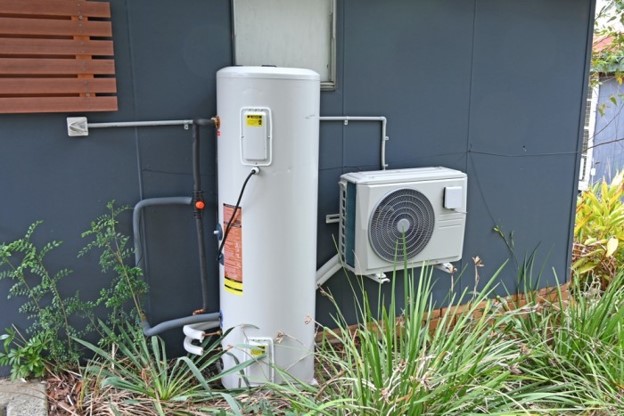
Heat pump systems are significantly more efficient than standard electric systems, as they use ambient air to heat water rather than generating heat directly. This means they can produce the same amount of hot water while using far less electricity.
As a result, they can offer much lower running costs over time, particularly in warmer climates.
Upfront Costs vs Running Costs
Another important thing to consider is the installation costs alongside running expenses. Electric systems are usually cheaper to install and simpler to set up. Gas systems tend to have higher upfront costs due to gas connections and ventilation requirements.
This means:
- Electric has a lower upfront cost but a potentially higher running cost.
- Gas has a higher upfront cost but often lower running cost.
Over time, the balance between these costs will help you decide which system is more cost-effective for your home.
Other Factors To Consider
Running costs don’t exist in isolation. Other factors can influence which system is cheaper for you.
Household size
It’s a pretty simple equation, the more people in a home, the more hot water you’ll use. Therefore, larger households typically benefit more from gas systems due to higher demand. Regular maintenance will help ensure you get the most out of your hot water system.
Usage patterns
If you use most of your hot water during peak electricity usage times, electric systems can become expensive. So when you use your hot water can have a significant impact on your energy costs. Shifting usage to off-peak times can help reduce expenses and improve overall efficiency.
Location and energy prices
Energy costs vary by region, meaning the cheapest hot water option in one area may be more expensive in another. Differences in electricity tariffs, gas availability, and local pricing can all influence running costs.
System type
Not all gas or electric hot water systems are created equal, and performance can differ significantly between models. Efficiency varies widely depending on the technology, design, and quality of the unit. Choosing a more efficient system can make a noticeable difference to your long-term running costs.
Environmental
Cost isn’t the only factor influencing decisions today. Electric systems, especially those that are powered by renewable energy are becoming increasingly popular from an environmental perspective.
Many homeowners are becoming more conscious about their carbon footprint and are looking for ways to reduce emissions. With new technology, electricity is expected to become cleaner and potentially cheaper over time as renewable energy expands.
Gas is a fossil fuel with ongoing environmental and regulatory considerations, which may affect long-term costs and availability.
So, Which Is Cheaper?
Well, the answer all depends on your situation and household needs. Gas is usually cheaper to run for households without solar and on standard electricity tariffs. Electric systems on the other hand can be cheaper if you use off-peak electricity or have solar panels
For many homeowners with modern builds, and those looking at investing in solar energy, electric systems are becoming more cost-effective in the long term.
Call PlumbCall For All Your Hot Water Services
Choosing between gas and electric hot water isn’t just about comparing energy bills, it’s about understanding how your household uses energy. The right system to run is the one that best suits your home, your energy setup, and your daily habits.
Considering these factors can help you save potentially hundreds of dollars each year and ensure your hot water system works efficiently for years to come.
Whether it’s time for an upgrade or your system needs a service, PlumbCall are the hot water experts you can count on. Our fully licensed plumbers are ready to repair, maintain, or replace every hot water system on the market.
Call Plumb Call today on 1300 669 111 for fast, affordable and professional hot water services Today!


You may also like








Do What You Do Best, We Will Handle the Rest
We deliver 24/7 services for blocked drains and hot water systems in many areas across Australia. So when you’re looking for a professional plumber near you, make sure you call us!

